Every Swap Leaves a Receipt: Scrubbing Your Solana Tax Paper Trail Before the IRS Notices

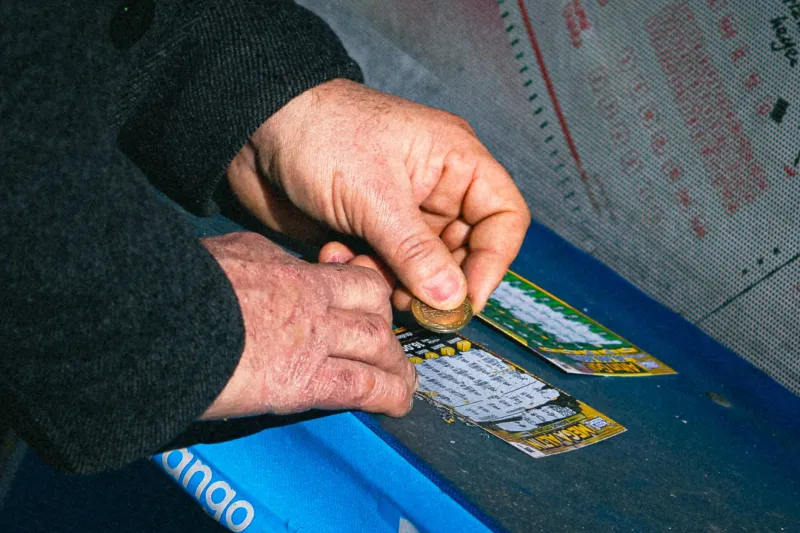
Photo: tax paperwork calculator coins desk stock photo, via thetravelwins.com
There is a special kind of dread that arrives when you realize your Solana wallet history is longer than your tax return. In 2026, the IRS has more ways to see the paper trail than ever, and the blockchain has been keeping receipts whether you did or not. Monkey on SOL is not a tax firm, and this is not tax advice. It is a survival guide for apes who would rather face the jungle than a filing deadline with a shoebox full of screenshots.
The taxable events hiding in plain sight
Most Solana traders think they only need to worry about cashing out to dollars. The IRS generally sees it differently. Swapping one token for another can be a disposition of property. That means your meme coin trade from FOMO to regret may have a cost basis, a fair market value, and a gain or loss attached to it. Airdrops are usually treated as ordinary income at the time you receive them, with a cost basis equal to that value. Staking rewards are typically income when received, and then the tokens get their own basis for later sales. NFT flips can be capital events, and depending on the asset, they may land in collectible territory. None of this is a vibe. It is a record-keeping problem wearing a blockchain hoodie.
Why Solana's speed turns bookkeeping into archaeology
Solana's speed is the whole point. It is also the whole problem. A trader can rack up hundreds of swaps in a week across multiple wallets, a few DEX aggregators, a staking account, and that one experimental wallet they swear they will clean up later. Add wrapped SOL, failed transactions, token accounts that appear and disappear, and airdrops from projects that no longer exist. Now try to reconstruct the USD value of every event at the exact moment it happened. This is less like accounting and more like excavating a jungle temple with a spatula.
Cost basis is not a vibe
The IRS wants numbers, not a feeling. Cost basis is the value you paid for an asset, plus certain fees. When you dispose of that asset, you compare the proceeds to the basis and report the difference. On Solana, the tricky part is that trades happen in tokens, not dollars. You need the fair market value of the asset you gave up and the asset you received at the time of the trade. Many portfolio trackers can import wallet data and price historical transactions, but they are not magic. They need complete data, and they need a human to reconcile the weird stuff. Pick a method, document it, and stick with it. FIFO is common, but specific identification may be possible if you keep clean records. Ask a professional before you improvise.
Wallet-by-wallet is the only sane unit
Do not aggregate every wallet into one blurry pile and hope for the best. Track each wallet separately, then map transfers between your own wallets. Moving tokens from one of your wallets to another is generally not a taxable disposition, but the basis needs to follow the asset. If you mix airdrop wallets, trading wallets, and NFT wallets, you create a forensic puzzle for future you. Future you is tired. Future you wants a spreadsheet that makes sense. Label wallets by purpose, export their histories, and keep a master list of addresses. This also helps when a wallet gets compromised, because you can explain what was yours and what was not.
Common mistakes apes make before filing
- Ignoring small trades. A hundred tiny swaps are still a hundred events.
- Treating airdrops as free money. They may be income when received.
- Forgetting staking rewards. They do not disappear because they arrived quietly.
- Mixing personal and trading wallets without labels.
- Recording token amounts but not USD values at the time.
- Assuming a DEX has no reporting obligations or that the IRS cannot see on-chain activity.
- Losing access to old wallets and then discovering the records are locked inside.
A practical paper-trail cleanup checklist
Start now, not in April. Export transaction histories from every wallet and exchange you use. Reconcile transfers between your own wallets so they do not look like sales. Tag airdrops, staking rewards, NFT mints, and NFT sales. Calculate income events separately from capital events. Keep a file with wallet addresses, CSV exports, screenshots of unusual transactions, and notes on any assumptions. If the numbers are large, messy, or both, talk to a CPA who understands crypto. The goal is not to become an accountant. The goal is to hand an accountant something better than a treasure map drawn in crayon.
The jungle does not audit you, but the IRS might
Solana gives apes incredible speed and terrible paperwork. The taxman does not care that your swap settled in 400 milliseconds. He cares that it happened. Clean up the trail while it is fresh, keep your wallet labels honest, and treat every swap like it leaves a receipt. Because it does.