That Free Token Isn't a Gift — It's a Phishing Hook With a Ticker
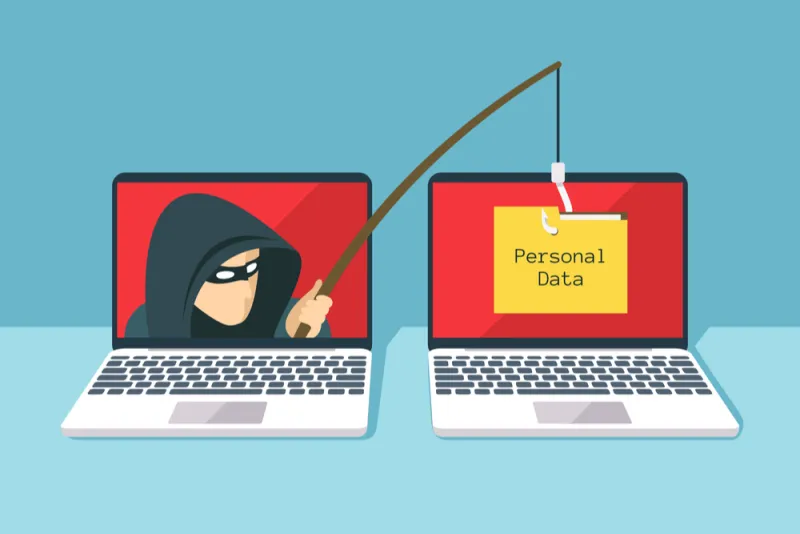
Photo: phishing email hook wallet cybersecurity stock photo, via www.pymnts.com
I opened my wallet on a Tuesday and found 47 tokens I had never bought. Some had tickers like BONUS and CLAIM and one was just a monkey emoji with a number. For a half-second I felt like the universe had finally noticed me. Then I remembered that the universe does not send free money to crypto wallets. The universe sends phishing hooks with logos. That was the day I stopped treating my Solana wallet like a junk drawer and started treating it like a crime scene with a cleaning schedule.
The junk drawer that can open your vault
Random tokens in your wallet are not usually a direct drain. They are bait. Someone sends you a token, you get curious, you go to the website in the token metadata, and then you sign something you should not sign. That is the attack. The token is the flyer. The website is the trap. The signature is the door. Dusting attacks, fake airdrops, and malicious metadata all rely on the same human weakness: the belief that free stuff is free. In crypto, free stuff is usually a customer-acquisition strategy for someone who wants your seed phrase, your approvals, or your dignity.
Why someone sends you garbage
There are a few reasons. Some projects dust wallets to track activity or advertise. Some scammers want you to add the token to a portfolio tracker so they can follow your wallet. Some fake airdrops are designed to get you to visit a claim page that asks you to connect your wallet and approve a transaction. That approval may give away token spending rights, or it may be a disguised transfer. On Solana, the signing request is the moment of truth. If you do not understand what the transaction is doing, do not sign it. That rule sounds obvious until you are tired, curious, and one click away from a claim button that looks official.
The signing request is the real trap
A free token does not need your permission to arrive. A claim page does. That is the tell. If a website asks you to sign a message or approve a transaction to receive a token you never asked for, assume it is hostile until proven otherwise. Read the transaction details. Check the program being called. If the site is rushing you, that is not customer service. That is pressure. Legitimate projects do not need you to sign blind. Neither do legitimate airdrops. If you already signed something suspicious, revoke approvals and move remaining assets to a fresh wallet. Do not wait for the drama to unfold.
How to spot a suspicious token
Start with the mint address, not the ticker. Tickers are costumes. Anyone can make a token called USDC or SOL or Monkey. Check the mint on a Solana explorer. Look at the metadata. If the image or website points to a random domain, be suspicious. If the token has no real liquidity, no known project, and a name designed to make you curious, ignore it. Unsolicited NFTs count too. A spam NFT with a link in the metadata is the same trick wearing a jpeg. Your wallet is not a museum. You do not have to display every piece of trash that arrives.
Safe disposal: ignore, hide, or burn
The safest move is usually to ignore the token entirely. Do not swap it. Do not claim it. Do not visit the website. Do not sign anything. If your wallet lets you hide the token, hide it. If you want to burn it, understand that burning is a transaction and still requires a signature. Do not use a random burn tool suggested by the token itself. Use a reputable wallet or explorer interface, and only if you are comfortable with the mechanics. The goal is to remove the bait without opening the trap. Ignoring is underrated. Hiding is fine. Burning is optional and should never be a panic move.
Build a junk-proof routine
Use separate wallets for trading, holding, and experimenting. Do not connect your main wallet to every claim page in the jungle. Revoke token approvals regularly. Check your wallet activity after any suspicious interaction. Keep a hardware wallet for serious holdings. Before you sign anything, slow down for ten seconds and ask what the transaction actually does. That ten-second pause is cheaper than a drained wallet. The junk in your trunk is not free money. It is a test. Pass the test by not touching the hook.